
Mindfulness for creativity: The link between skilful states of mind and self-expression

I’m sitting in the Buddhism and meditation centre in Barcelona. It’s week four of a course called Mind Creative, Mind Reactive, and after our opening 15-minute meditation, I scrawl a realisation in my notebook:
If you jumble up the word ‘creative’, you get ‘reactive’.
Reactivity and creativity are two sides of the same coin. Courses and meditation practices over the past ten years have helped me see that.
I was almost always anxious in my twenties, and constantly felt like I couldn’t navigate my own life. That’s why I start meditating. Meditation and mindfulness was not only relief, it was a practice that transformed my mind and showed I was capable of shifting my own reality.
We often think of creativity through the lens of art or writing or business. But creating anything (even if it’s a moment, or communicating in an effective way) requires us to snap out of autopilot. When the world wants us to be reactive and absorb our focus, summoning the energy to be creative can be an afterthought.
In this article I’ll unpack the forces robbing us of our creativity, how meditation has impacted my personal creativity, and four practices to cultivate more skilful states of mind.
The 3 forces of a reactive mind (that absorb our creativity)
The first image in this article is a piece of art hanging at the entrance of every Tibetan Buddhist monastery. It’s called The Wheel of Life (or Bhavacakra).
This complex piece represents the cycle of birth, death, and rebirth driven by karma. At the centre of the wheel are three animals, representing three root poisions that stop us thinking expansively, creatively, and lead to suffering:
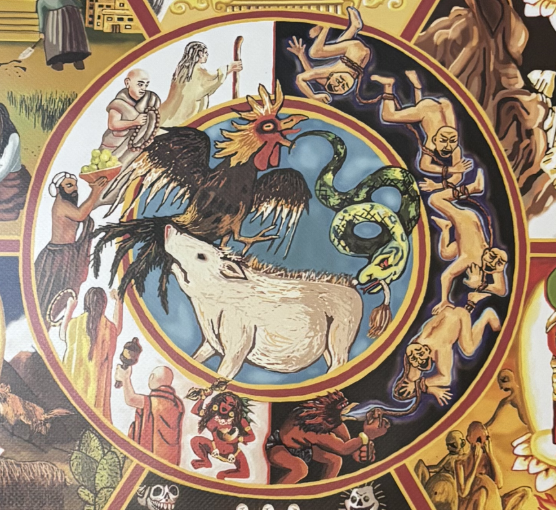
🐖 The pig represents ignorance, delusion, and confusion.
🐍 The snake represents aversion, hatred, and anger.
🐓 The rooster represents craving, attachment, or distraction.
The animals pulling on each other’s tails symbolize how each poison impacts the other: in effect, they are a vicious cycle. According to buddhist teaching, the creative mind is unconditioned by these poisons.
Consider these poisons in today’s context: creativity cannot surface when the mind is craving dopamine hits, reacting to the latest outrage, or is unwilling to engage with the world through its ignorance.
It’s up to us to ask: where do the pig, the snake, and the rooster surface in our life? Where do they block us from engaging with the world in creative ways?
My experience: Why meditation matters for creativity
The research backs up what meditators have known for centuries: meditation creates a more present, patient, and focused mind.
It strengthens the regions of the brain involved in learning, emotional balance, and perspective, and also improves neural pathways responsible for attention, problem-solving, and self-regulation.
But for me, there is an unexplored benefit. Meditation helps us better listen and understand our inner voice. A five day silent retreat was my deepest experience to understand the impact of meditation on this creative aspect of the mind.
Somewhere between those long days of quiet and the countless meditation sessions, something within me stilled. With outside distraction dialled down, I begun to act in a way that was intuitive to me. A poem fell out of me — strange, considering I’d not written poetry in a decade. The creative aspects of me wanted an outlet in my life, and I shouldn’t listen to the self-doubt telling me that if I did not earn money with it, it wasn’t worth doing.
This was a moment of being more in tune with myself: the real me and what I wanted. What was automatic to me without the influence of forces around me. It was the opposite of reactive.
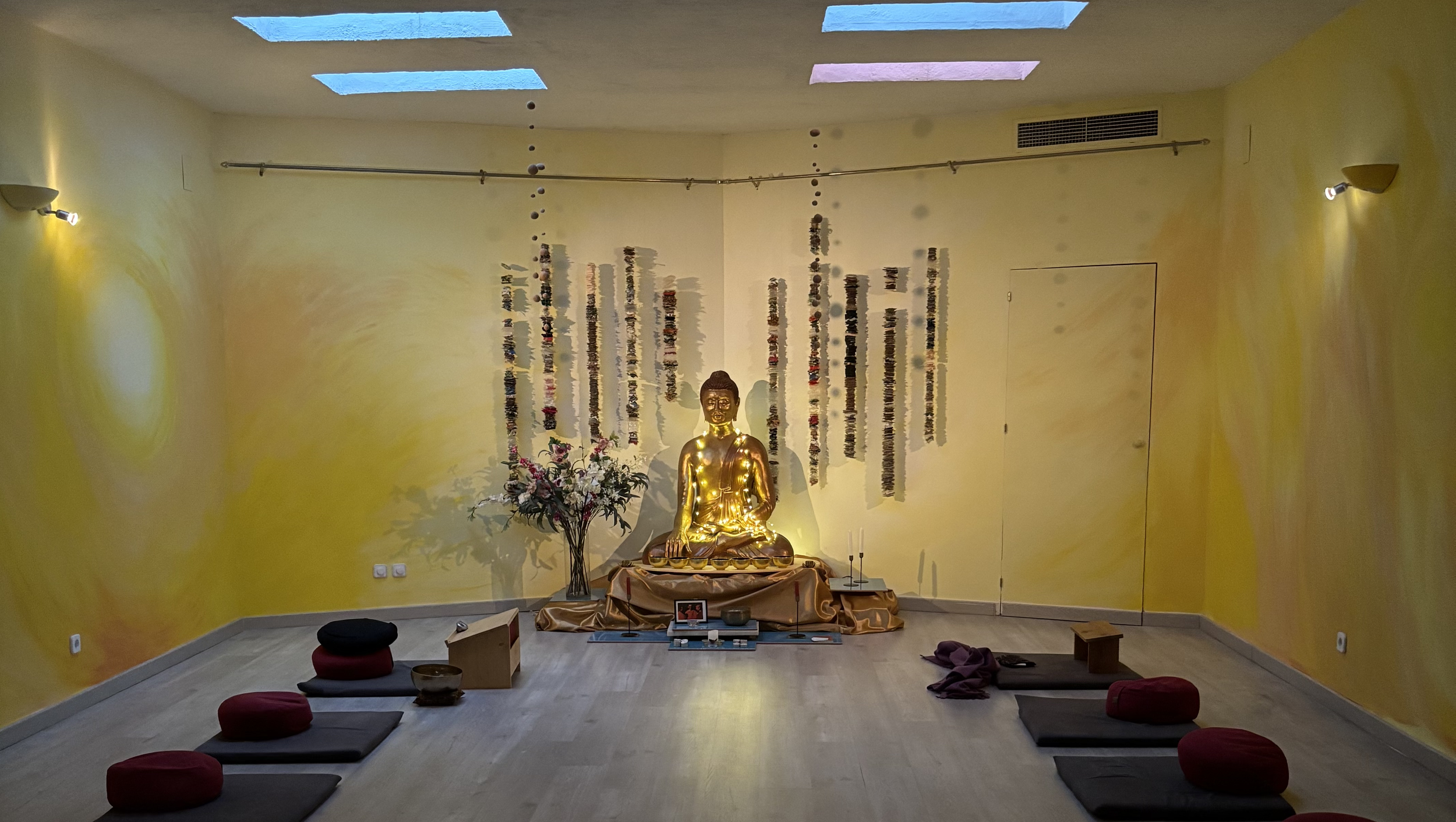
Inside the Triratna Centre of Buddhism and Meditation in Barcelona.
Now I take every opportunity possible to tap into those deeper part of myself, to see what surfaces and the creative action I want to impart: whether it’s a simple act, or a piece of writing. This can be achieved with days in nature, but need not be so radical. Daily practices of meditation (group, unguided, or guided) can help us better tap into ourselves, away from the reactive mind.
4 Meditations for Mental Clarity and Creative States
Now, I don’t have critical acclaim, nor widely-published works of fiction (yet). But meditation helps me create the conditions for a clear mind, and become better in my role as a creative content strategist. I’ve tested plenty of different meditations over the years. Here are some that I, and other creative minds, have found helpful.
1. Awareness Meditation (Open Monitoring)
A simple meditation to clear your mind and start the day. It’s also how I set a clear intention before wrting.
Find a quiet space and sit comfortably
Set a timer for 10-15 mins (I use the Insight Timer app).
Close your eyes and take three deep breaths
Pay attention to what you feel, what you hear, and what you perceive. Do not judge what you notice. Return to the breath as a focus anchor

In practice:
Legendary American record producer Rick Rubin uses this meditation to help himself and the artists he works with become more in tune with their authenticity. When artists work with Rick, he’s able to bring them into the depths of themselves. It is from there that great art is created.
2. Transcendental Meditation (TM)
A meditation based on a repeated mantra, using this as your anchor into the present instead of the breath. TM uses personal mantras normally given by certified teachers, but we don’t need that permission. Use a nonsense two-syllable sound like "shirim" or "shama" that won't pull you into thinking.
Find a quiet space and sit comfortably
Set a timer for 10-15 mins
Close your eyes and silently repeat your mantra (a meaningless sound that helps settle the mind)
Let thoughts come and go while noting them
When the timer ends, sit for a few moments before opening your eyes
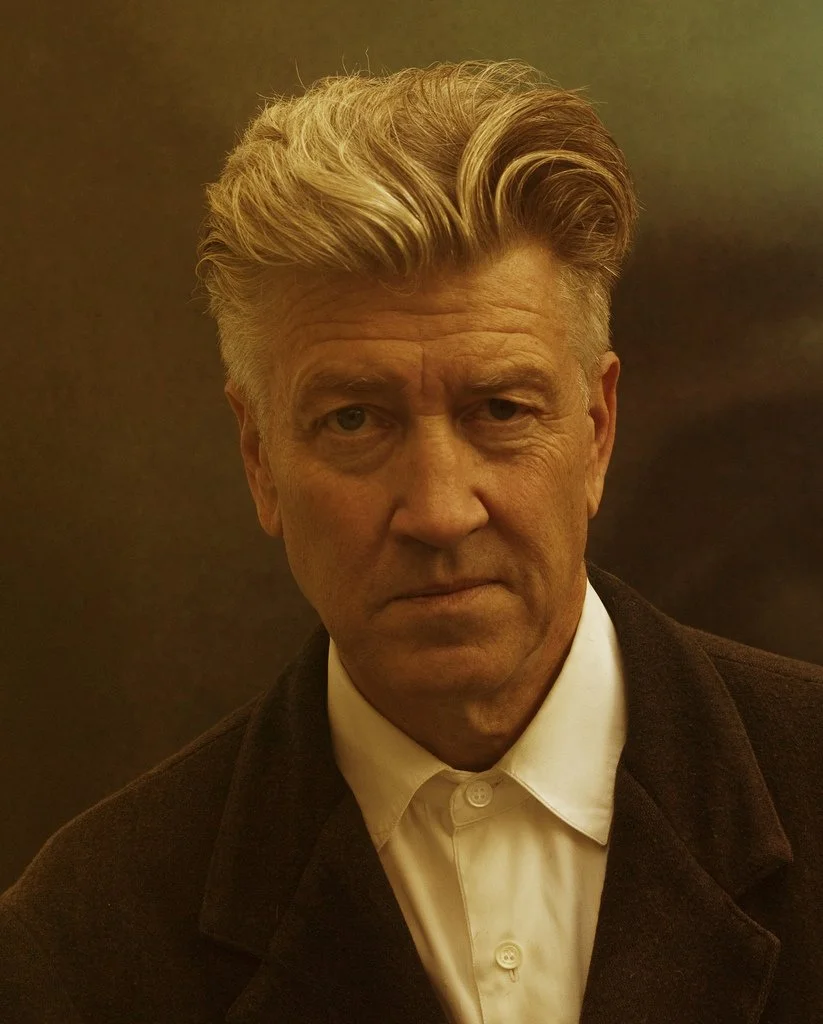
In practice:
Filmmaker-artist David Lynch practiced TM for decades, eventually writing the book Catching the Big Fish on the topic. In the book, he uses the metaphor of catching fish to explain capturing ideas: small fish swim near the surface, while big fish live in the depths. To catch the big fish, you need to go deep into your consciousness. A calm mind, cultivated with TM, allows access to this deeper level of creativity.
3. Mettā Bhāvanā (Loving-Kindness)
A powerful practice to release stuck emotions, emotional grudges, or a feeling of ill-will towards others. In that sense, it gives us creative control over how we respond to the people around us.
Find a quiet space and sit comfortably
Set a timer for 10-15 minutes
Close your eyes and take a few deep breaths
Begin by directing kind thoughts toward yourself. For example: "May I be happy, may I be healthy, may I be free of suffering"
Extend these wishes to someone you care about, then to a neutral person, then to someone difficult
Finally, extend loving-kindness to all beings
Notice any resistance without judgment, and gently return to the phrases
In practice: Metta bhavana removes the critical, judgmental voice that shuts down ideas before they fully form. For example, this practice may be helpful before you enter a brainstorm or discussion, and can help with genuine compassion for yourself and others. That way, you create space for honest expression. You listen deeply, react less, and could stay open to possibilities that your guarded mind would normally dismiss.
4. Automatic Writing (or Drawing, or Singing)
This isn't a traditional meditation, but can create a similar meditative state. With writing, you might just consider this to be journaling, or Morning Pages à la The Artists Way. Quiet your analytical mind and let intuition guide you by writing without planning or judgment.
Set a timer for 10-20 minutes
Sit with a blank page or canvas in front of you
Close your eyes and take a few deep breaths
Begin writing, drawing, or making sounds without thinking about what comes next
Don't edit, judge, or plan, let your hand or voice move automatically
Keep going until the timer ends, even if it feels awkward or nonsensical
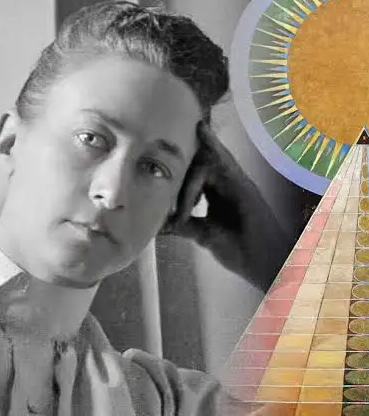
In practice:
Swedish artist Hilma af Klint believed her paintings came through inner awareness and contact with deeper realities beyond ordinary consciousness. She described how her abstract works were "painted directly through me, without any preliminary drawings. I had no idea what the paintings were supposed to depict; nevertheless I worked swiftly and surely." This is automatic creation: quieting the analytical mind so intuition can emerge from a deeper layer of awareness.
Mental clarity, not mental torture, as the foundation of creative practice
Painful experience can be great sources of art. Creativity provides an avenue to understand and process our suffering, and this struggle is universal source material.
But the “Tortured artist” trope — the idea that you need to always suffer to create — holds us back from creativity. Removing fear, anger, and depression can clear the way to notice ideas, trust our intuition, and create what’s actually true to us.
Meditation and mindfulness builds that clarity. It helps us access patterns of thought that matter most to us.
A reactive mind is closed. A creative mind, powered by mindfulness, is present and expansive. It spirals outwards, helping capture ideas waiting in the ether to be understood and told.